Horse Properties Near Cody, Wyoming: What Buyers Should Look For
Buying a horse property near Cody, Wyoming, takes more than finding a home with acreage and a barn. The property needs to work for the horses, the people caring for them, and the practical realities of owning rural land in Park County. Fencing, water, usable pasture, shelter, feed storage, winter access, and land-use restrictions all matter. A property can look ideal during a summer showing and still present significant challenges once winter arrives or the horses are moved in.
The most important question is not simply how many acres a property includes. It is whether those acres can support the way you intend to use them. Before making an offer, buyers should look beyond the house and evaluate the land, improvements, access, and ongoing responsibilities that come with keeping horses in this part of Wyoming.
Look at Usable Acreage, Not Just the Number on the Listing
A listing that advertises ten or twenty acres may sound like plenty of room for horses, but the total acreage does not tell the whole story. Terrain, vegetation, soil conditions, water availability, irrigation, and the condition of existing pasture all affect how much of the property can realistically be used for grazing. Steep ground, rocky areas, drainage channels, wooded sections, and land that is difficult to fence may contribute to the advertised acreage without providing much practical pasture.
There is no universal acreage-per-horse formula that works for every property near Cody. Carrying capacity depends on the land itself, local growing conditions, water, and how the owner manages grazing. Some properties may provide productive pasture during the growing season but require substantial supplemental hay for much of the year. Others may be better suited to dry-lot management, with designated turnout areas and purchased feed.
Walk the property and consider where horses would graze, where they would be turned out, and whether the land can be divided into separate areas for rotation or management. Buyers evaluating vacant or partially improved land should also review our guide to buying land near Cody, Wyoming before assuming that acreage is ready for its intended use.
Fencing Can Make or Break a Horse Property
Fencing is one of the first things to inspect because replacing or repairing it can become a significant expense. Look at the materials, post spacing, gate placement, and overall condition. Pay attention to sagging wire, loose boards, leaning posts, damaged corners, and areas where animals could get through or become injured. A fence that looks acceptable from the road may need considerable work once you inspect the entire perimeter.
Consider whether the property has separate paddocks or whether the entire acreage is enclosed as one large pasture. Separate turnout areas can make feeding, rotation, separation, and daily management easier. Gates should be wide enough for the equipment you expect to use, including trailers, tractors, and hay deliveries. If fencing needs to be replaced, determine the approximate cost before treating the existing improvements as a major selling point.
Water Is More Important Than a Pretty View
Reliable water is essential, and buyers should understand exactly how the property supplies it. Look at wells, stock tanks, automatic waterers, irrigation systems, and the distribution of water across the usable portions of the land. A single water source near the house may not be practical if horses are kept in pastures or paddocks farther away.
Water rights deserve particular attention in Wyoming. A ditch, stream, pond, or irrigation system on the property does not automatically mean the buyer can use that water without restrictions. Water rights are separate property interests with specific terms and conditions, and buyers should verify which rights are associated with the property, whether they transfer with the sale, and what uses they authorize. The Wyoming State Engineer’s Office groundwater and water-rights information is a useful starting point, but property-specific questions should be reviewed with the appropriate professionals before closing.
Also ask about winter water access. Frozen lines, exposed pipes, malfunctioning heaters, and water systems that are difficult to reach in snow can turn an otherwise functional setup into a daily problem. A good horse property needs dependable water throughout the year, not just during the months when the listing photographs were taken.
Evaluate the Barn, Shelter, and Other Improvements
A barn can add tremendous value to a horse property, but its appearance is less important than its condition and functionality. Inspect the roof, foundation, framing, doors, flooring, ventilation, and electrical service. Look for signs of water intrusion, rot, structural movement, and neglected maintenance. If the barn includes stalls, check their size, construction, latches, and general safety.
Not every horse owner needs a large traditional barn. Depending on the intended use, a smaller shelter, run-in structure, tack room, hay storage area, and secure equipment space may be more useful than a large building with features that will never be used. What matters is whether the existing facilities match the number of horses and the daily routine the buyer has in mind.
Outbuildings should be evaluated individually. A detached storage building, workshop, equipment shed, or covered area may be useful, but buyers should confirm the condition and intended use of each structure. Do not assume that every building has been permitted or that it can legally be converted to a different purpose.
Think About Winter Before You Buy
Winter conditions are a major part of owning property near Cody. Snow, wind, freezing temperatures, and changing road conditions affect how a horse property functions. Buyers should consider how snow will be cleared, whether the barn and paddocks remain accessible, and how water and feed will be managed during extended cold weather.
Road access deserves special attention. A property may be easy to reach in July but much harder to manage during a winter storm. Ask who maintains the access road, whether snow removal is included in any shared arrangement, and whether hay deliveries, veterinary visits, and emergency vehicles can reach the property when conditions deteriorate.
Winter planning is also about the ongoing work involved in maintaining the property. Water systems may need additional attention, hay storage must remain accessible, and fencing and gates can be affected by snow and ice. Buyers unfamiliar with the area may find it useful to read about what to expect during a first Wyoming winter before deciding which property is the best fit.
Hay Storage and Feed Delivery Matter
Hay and feed are part of the practical cost of keeping horses, particularly when pasture is limited or unavailable for much of the year. Consider whether the property has dry, secure storage with enough capacity for the amount of feed you expect to keep on hand. Hay that is exposed to moisture or stored in poorly ventilated conditions can deteriorate, so the condition and location of storage buildings matter.
Think about delivery access as well. Trucks and trailers need enough room to enter, turn around, unload, and leave without damaging fencing or getting stuck. A property with excellent pasture but poor delivery access may create unnecessary complications throughout the year.
Make Sure the Property Is Accessible for Trailers and Equipment
Horse ownership often means regular travel with trailers, feed, equipment, and supplies. Evaluate the driveway, gates, turning areas, road width, and approach to the barn or paddocks. A narrow driveway or steep entrance can make trailer maneuvering difficult, especially in snow or muddy conditions.
Buyers should also consider how far the property is from veterinary services, feed suppliers, farriers, and other resources they expect to use. A more remote property may offer privacy and room to spread out, but it can also mean longer trips and more planning. Those tradeoffs are part of the decision when comparing properties outside Cody with homes closer to town. Our article on buying a home outside Cody explores some of the practical differences.
Check Zoning, Restrictions, and Permitted Uses
Not every property with acreage is automatically suitable for every type of horse-related activity. Keeping a few personal horses may be treated differently from operating a boarding stable, training facility, riding business, or other commercial operation. Buyers should understand the applicable zoning, land-use rules, recorded covenants, easements, and any restrictions attached to the property.
Jurisdiction matters, too. A property within the City of Cody may be subject to different rules than one in unincorporated Park County. Before purchasing, confirm which local authority governs the property and whether the intended use is allowed. Park County provides its current Planning and Zoning regulations and permit and application information online.
If you plan to board outside horses, offer lessons, train animals, or operate a commercial facility, do not rely on assumptions based on the property’s current appearance or use. Confirm the requirements before making an offer. A property that works perfectly for personal use may not be approved for a business operation.
Choose a Property That Matches the Way You Keep Horses
The right property depends on what you want to do with it. Someone keeping one or two horses for personal enjoyment may need a comfortable home, secure fencing, reliable water, a manageable turnout area, and basic shelter. A buyer planning to keep several horses may need more pasture, multiple paddocks, larger storage facilities, and a more developed barn setup.
Buyers interested in boarding, training, or other horse-related businesses should evaluate the property differently. They may need additional parking, trailer access, facilities, water capacity, and land-use approvals. Those requirements can affect both the purchase price and the amount of work needed after closing.
It is also worth considering how much maintenance you realistically want to take on. More acreage can mean more fencing, more road and driveway maintenance, more equipment, and more time spent managing the land. A smaller property with well-designed facilities may be a better fit than a larger property that requires constant upkeep.
Inspect the Entire Property Before Making an Offer
A standard home inspection is important, but it does not necessarily cover the condition of the barn, fencing, water systems, irrigation infrastructure, or other agricultural improvements. Buyers should arrange appropriate inspections and walk the entire property rather than limiting their evaluation to the house and the area immediately around it.
Ask for available records relating to wells, septic systems, water rights, irrigation, permits, easements, and outbuildings. Review maintenance history where available, and identify improvements that may need immediate attention. If the property includes specialized facilities, bring in someone qualified to evaluate them.
It is easy to become attached to a property that has the right setting, a beautiful view, and a barn that looks great in photographs. The more important question is whether the property will support your plans without creating expenses or limitations you did not anticipate.
Finding the Right Horse Property Near Cody
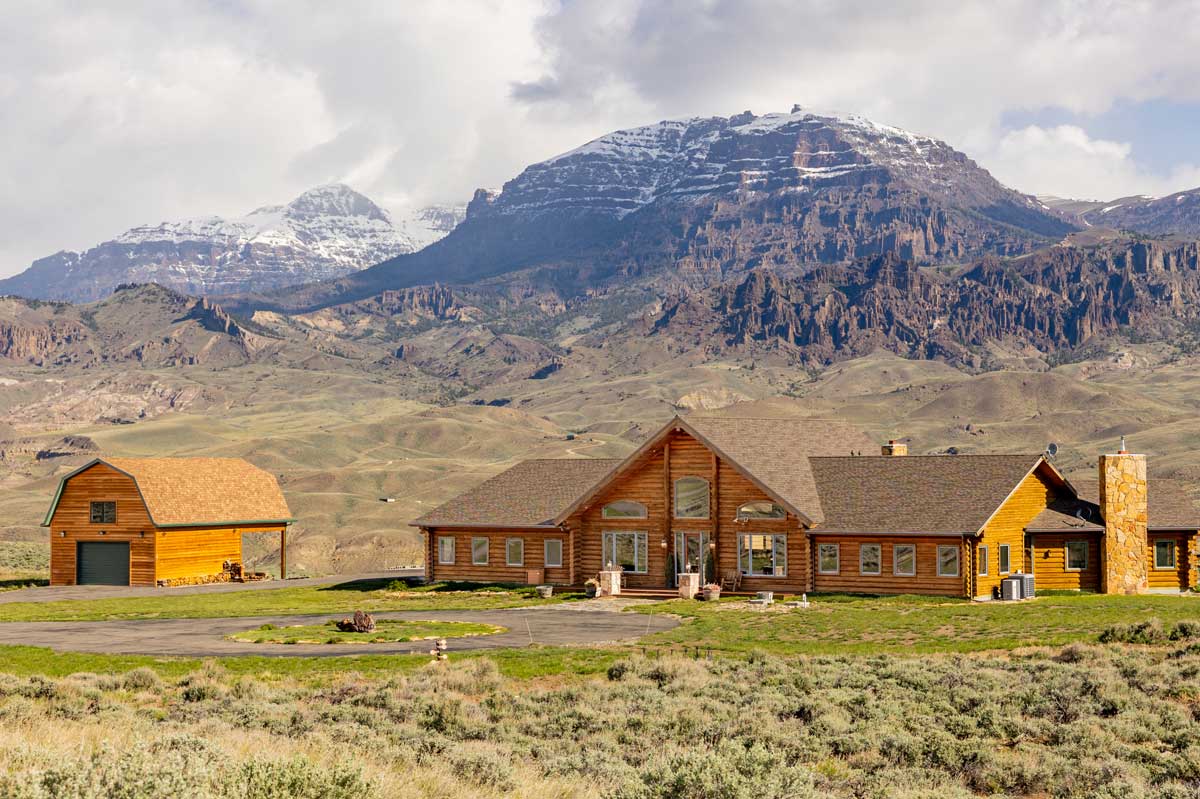
Horse properties around Cody can offer a combination of open space, mountain views, rural living, and access to the community and services of town. But no two properties are exactly alike. The amount of usable land, water availability, fencing, buildings, road access, and permitted uses can vary considerably, even between properties that appear similar in a listing.
The best purchase is not necessarily the property with the most acreage or the biggest barn. It is the one that fits the way you intend to keep horses, works through the seasons, and makes sense financially after you account for maintenance and improvements. Taking the time to evaluate those details before making an offer can help you avoid expensive surprises and find a property that works for both you and your animals.
If you are considering a horse property near Cody, Wyoming, REV Real Estate can help you evaluate available properties and understand the differences between rural locations, acreage, and existing improvements. The goal is to find a property that fits the way you actually want to live.