What Does Cody Offer the Retiree?
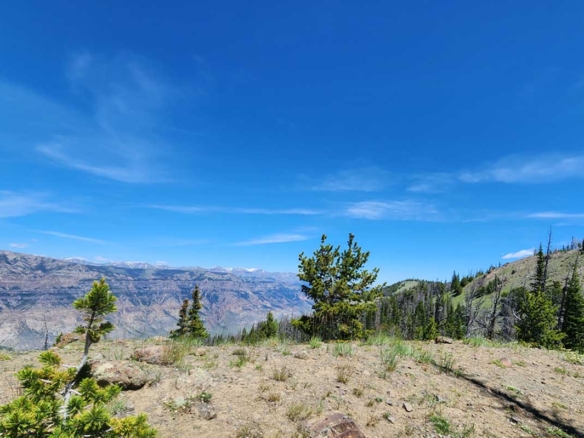
If you’re thinking about retiring in Cody, Wyoming, the first thing you’ll probably notice is the scenery. That’s certainly part of the attraction. Mountains, open space, the Shoshone River, Yellowstone and the Western character of the community make Cody an appealing place to imagine spending retirement.
But retirement is different from a vacation. When you’re choosing a place to retire, the view from the porch matters, but so do healthcare, housing, winter weather, maintenance, shopping, recreation, community and how easy it is to get through an ordinary week. A property that looks perfect for retirement may not be nearly as practical once you’re living there full-time.
That’s why I think the better question isn’t simply whether Cody is a good place to retire. It’s
what kind of retirement Cody can provide, and whether that version of retirement fits what you’re looking for.
Why Does Cody Appeal to Retirees?
Cody has a combination that’s difficult to duplicate. It’s small enough to feel like a genuine community, but it isn’t simply an isolated rural town. There are restaurants, healthcare services, shopping, recreation, cultural activities and local organizations, while the surrounding landscape provides an enormous amount of outdoor space.
For an active retiree, that’s a pretty compelling combination. You can spend a morning walking around town, head out for a day of fishing or hiking, meet friends for lunch and still be home in time to watch the sunset over the mountains. If Yellowstone is one of the reasons you’re considering Wyoming in the first place, it’s close enough to be part of your life without requiring you to live inside a tourist destination.
But Cody also has a year-round population and a year-round community. That’s important. You’re not moving into a resort that shuts down when the tourists leave. You’re choosing a place where people actually live, work, volunteer, raise families and spend their winters. For someone planning to spend decades rather than weeks here, that distinction matters.
Is Cody Good for an Active Retirement?
For many people, that’s one of its biggest advantages. Retirement doesn’t necessarily mean slowing down. For a lot of people, it means finally having time to do the things they couldn’t fit into a working schedule. Cody provides plenty of opportunities for that. Hiking, fishing, hunting, horseback riding, photography, boating, camping and exploring the surrounding mountains can all become part of everyday life.
And being active doesn’t have to mean being athletic. A retirement built around walking, gardening, volunteering, local events, scenic drives and spending time outdoors can be just as rewarding. The important thing is that Cody gives you plenty of choices. The city also offers fitness and wellness programs, including activities geared toward older adults, while local organizations provide opportunities to stay socially connected.
What About Healthcare?
This is probably the most important practical question for a retiree considering Cody. Cody Regional Health provides a broad range of local services, including emergency care, primary care, surgery, radiology, rehabilitation, home health and hospice, oncology, orthopedics and other medical services. That doesn’t mean every medical specialty is available locally, and anyone with specific or ongoing healthcare needs should investigate those needs before deciding to relocate. The important point is that Cody has a genuine healthcare infrastructure rather than requiring residents to leave town for every medical issue.
For someone who is healthy today, healthcare access may not feel like a major factor in choosing a house. Retirement planning, however, means thinking beyond today. How far are you comfortable traveling for a specialist? How important is proximity to a hospital? Would you rather be closer to town than have another five or ten acres? Those questions can influence the type of property you should buy just as much as the purchase price.
Access to Healthcare in Cody will be a separate REV article in this series because the subject deserves more attention than it can reasonably get here.
Should a Retiree Live in Town or Outside Cody?
This may be one of the biggest decisions you’ll make. Living in Cody gives you easier access to restaurants, shopping, healthcare, recreation and everyday services. You can have a beautiful home without necessarily taking on the responsibilities that come with maintaining a large rural property. Moving farther outside town gives you something different: privacy, acreage, wildlife, views and a much stronger sense of being surrounded by the landscape.
Both can be wonderful. But I would encourage retirees to think carefully before assuming that more land automatically means a better retirement. Five or ten acres may sound fantastic when you’re imagining summer afternoons on the property. But acreage also means maintenance, snow removal, fencing, landscaping, outbuildings and potentially more complicated utilities. Even if you enjoy that work today, think about whether you’ll still want to do it ten or fifteen years from now.
Sometimes the smartest retirement property isn’t the biggest or most remote one. It’s the property that gives you the lifestyle you want while remaining manageable as your circumstances change. That’s an important distinction when you’re looking at the North Fork, South Fork and other rural areas around Cody.
Our
North Fork vs. South Fork comparison looks more closely at those two areas, including the tradeoffs between privacy, acreage, recreation, distance and everyday convenience.
What About Winter?
If you’re moving to Cody from a warmer climate, winter deserves more attention than it usually gets during a vacation. The mountains look spectacular under snow, and there are plenty of people who genuinely enjoy Wyoming winters. But living through winter is different from photographing it.
Snow and ice affect driving, walking, property maintenance and everyday routines. If you live farther outside Cody, winter road conditions and snow removal become even more important. A long driveway that seems charming in July may be something you think about very differently in February.
This doesn’t mean retirees should avoid rural property. It means you should understand what you’re buying. Ask who maintains the road. Understand the driveway. Find out how snow removal works. Think about your vehicle. Consider how often you need to get into town. And if possible, experience Cody during the winter before making a permanent move.
How Important Is Location to Retirement?
Very important. One of the advantages of retirement is having more control over your time. You don’t necessarily want to spend a large portion of that time driving to basic services.
That’s why location should be evaluated based on your actual routine rather than simply the quality of the view. How far do you want to drive for groceries? How close do you want to be to healthcare? Do you expect to eat out regularly? Do you want to walk or bike into town? Will family be visiting? Do you want to maintain acreage?
A property ten or fifteen miles outside Cody might be perfect for someone who loves privacy and doesn’t mind driving. For someone else, five miles closer to town could make everyday life substantially easier. There isn’t a universal ideal retirement location. There’s only the location that fits your routine.
What About Community?
This is another advantage of Cody that can be easy to overlook when you’re focused on real estate. Retirement isn’t just about what you do with your free time. It’s also about the people around you.
Cody has organizations and activities that provide opportunities for older residents to stay connected. The Cody Senior Center serves adults 60 and older and provides meals, transportation, social activities, exercise classes, educational programs and other services. The city also offers fitness and wellness programs, including classes geared toward older adults.
Those things matter because moving somewhere beautiful isn’t enough. You need to be able to build a life there. If you’re relocating from another state, that may require some effort. You won’t necessarily arrive with an established network of friends and family. Being willing to participate in the community can make a big difference.
Is Cody Good for Retirees Who Want to Stay Active?
I’d say this is one of Cody’s strongest arguments. The area provides an unusual amount of outdoor recreation without requiring you to live in a large city or resort community. For people who want to spend retirement hiking, fishing, photographing wildlife, exploring Yellowstone or simply being outside, that can be a major advantage.
And again, being active doesn’t have to mean climbing mountains every weekend. A walk around town, a day spent fishing, gardening at home, attending a local event or taking a scenic drive can all be part of an active retirement. Cody gives you the ability to build that lifestyle around what you actually enjoy rather than around a predetermined retirement-community program.
What About the Cost of Retirement?
This is where I would be careful with broad claims about Cody being either inexpensive or expensive. The cost of retirement isn’t determined by the purchase price of your house alone. Property taxes, insurance, utilities, maintenance, vehicles, travel and healthcare all contribute to what it actually costs to live somewhere.
A rural property may have a lower purchase price than a comparable property in another market but require more maintenance. A smaller house closer to town might cost more but reduce driving and property upkeep. The cheapest house isn’t necessarily the least expensive retirement, and the most expensive house isn’t necessarily the one that provides the most value.
Think about the entire lifestyle you’re buying. If your goal is to spend retirement outdoors and on your property, acreage may be worth the additional expense and work. If your goal is to travel, socialize and minimize maintenance, a smaller property closer to Cody may make much more sense.
What Kind of House Makes Sense for Retirement?
This is where I think retirees sometimes make the same mistake as younger buyers: they shop for the house they want today rather than the house that will serve them well over time.
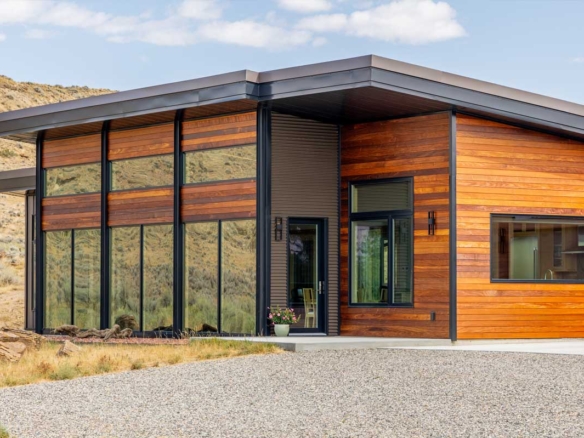
A big two-story house may be perfect now. A large acreage property may be exactly what you’ve always dreamed about. A house with extensive landscaping may be enjoyable while you’re active. But think ahead. Would a single-level layout make sense? How much maintenance do you actually want? Is the driveway manageable? What happens if you don’t want to mow several acres anymore? Could family stay with you comfortably? Is there room for visiting children or grandchildren?
These aren’t reasons to buy a smaller or less interesting property. They’re reasons to think about the next stage of your life rather than just the first year after closing.
What About Retiring on the North Fork or South Fork?
This is where the geographic decision becomes especially relevant. If you’re drawn to the North Fork because of Yellowstone, mountain views and recreational property, retirement there can be extraordinary. But you also need to be comfortable with the additional distance and rural responsibilities that may come with the property.
The South Fork can offer acreage, privacy and ranch-country scenery, but again, the farther you move from Cody, the more important access and maintenance become. For some retirees, that’s exactly the point. They don’t want to be close to town. They want the land.
For others, a home in Cody or just outside town may offer a better balance. This is why I wouldn’t recommend choosing a location first and then trying to make the property work. Figure out what you want your retirement to look like, then find the location that supports it.
What About Moving From Another State?
A lot of people considering retirement in Cody will be coming from somewhere else. That’s a different kind of move from simply moving across town. You’re not just changing houses. You’re changing climate, geography, community, access to family and potentially your entire daily routine.
Spend time here before you buy. Don’t just visit for three days in July. Come back in another season. Drive the neighborhoods. Eat at the restaurants. Go to the grocery store. Visit the healthcare facilities. Talk to people. See how long it takes to get where you’re going.
And don’t underestimate the emotional side of the decision. Moving somewhere because you love the landscape is a great reason to explore it. But retirement works best when you love the
life, not just the scenery.
Our
guide to relocating to Cody goes deeper into that broader decision, including the practical considerations that come with moving to the area.
Should You Buy or Rent First?
For some retirees relocating from another state, renting before buying can be a smart way to learn the community. It gives you a chance to experience the seasons and figure out whether you prefer living in Cody itself, farther out, or even in another nearby community.
Of course, the availability and economics of rentals change over time, so this isn’t necessarily practical for everyone. Some buyers will know immediately that they’ve found the right place and want to purchase. But if you’re uncertain, there’s nothing wrong with giving yourself time. A house is a major commitment. You don’t need to prove anything by buying immediately.
What Does the Right Cody Retirement Look Like?
There isn’t one. That’s probably the most important thing to understand.
One retiree may want a small, comfortable house close to town, where restaurants, healthcare and community activities are easily accessible. Another may want ten acres, a shop, mountain views and enough privacy to feel like they are living in the middle of nowhere.
Both can be good retirements. The difference is whether the property actually supports the life you’re trying to build.
That’s where local real estate knowledge becomes useful. A local agent isn’t just helping you find a house. Ideally, they’re helping you understand the tradeoffs between neighborhoods, acreage, rural properties, proximity to services and the surrounding communities.
Why Work With a Local Real Estate Professional?
Retirement buyers often have more complicated location questions than first-time buyers. You may be comparing Cody with Powell. You may be considering the North Fork or South Fork. You may be looking at a house in town one day and a ten-acre property the next.
That’s exactly why it’s useful to work with someone who understands the broader market rather than only one neighborhood. REV Real Estate works with buyers across Cody and surrounding communities, and its listings include everything from conventional homes to acreage and rural properties.
You can explore
REV Cody’s buyer resources as you begin figuring out what kind of property fits your plans. If you’re still at the research stage, our
Cody vs. Powell comparison and
North Fork vs. South Fork guide can also help you think through the broader decision before you start looking seriously at individual properties.
What Does Cody Offer the Retiree? is ultimately a question about much more than real estate. It’s about whether the community, the geography and the property you choose can support the life you want to live for the next ten, fifteen or twenty years.
Retirement in Cody Is About More Than Real Estate
Cody has a lot going for it as a retirement destination. You have the scenery, outdoor recreation, a genuine year-round community, local healthcare, restaurants, cultural activities and access to a part of Wyoming that many people spend their working lives dreaming about.
But the right retirement property isn’t necessarily the most spectacular property you can find. It’s the one that gives you the lifestyle you want while remaining practical as your life changes.
Maybe that’s a house in town. Maybe it’s a property on the North Fork. Maybe it’s acreage on the South Fork. Maybe it’s Powell or another community nearby.
The important thing is to think beyond the listing.
The best place to retire in Cody isn’t simply the place with the best view. It’s the place that gives you the freedom to enjoy the life you moved here to live.