Cody vs. Powell, Wyoming: Which Is Right for You?
If you’re considering buying a home or relocating to Park County, Wyoming, one of the first questions you’re likely to ask is whether you should live in Cody or Powell. The two communities are close enough that it can be tempting to think of them as essentially the same real estate market, but anyone who spends much time in both quickly realizes they have very different personalities. Cody has a stronger connection to Yellowstone, tourism, outdoor recreation and the mountain country to the west, while Powell has deeper agricultural roots and a somewhat different pace and character. Both are legitimate places to live, and both offer good opportunities for buyers. The question isn’t which one is universally better. It’s which community, or which surrounding area, makes the most sense for the way you want to live.
And that’s an important distinction because Cody and Powell aren’t the only choices. Depending on what you’re looking for, the right property might be in the North Fork, South Fork, Wapiti, Meeteetse, Lovell or one of the rural areas surrounding these communities. REV’s current inventory reflects that broader market, with properties listed across Cody, Powell and several surrounding communities.
If you’re still trying to understand the broader area before deciding where to focus your search, start with our
relocating to Cody, Wyoming guide.
Cody and Powell Are Different Communities
Cody is the larger of the two communities and has a population of roughly 10,000 residents. Powell is smaller, with a population of roughly 6,500. Both are small Wyoming communities where people live, work, raise families and retire, but their histories and economic identities are different. Cody’s location and relationship to Yellowstone have made tourism a major part of the community’s identity, while Powell has a much stronger agricultural history and connection to the surrounding farming and ranching country.
That doesn’t mean Cody is simply a tourist town or that Powell is simply a farming town. Both have businesses, schools, healthcare, restaurants, services and established neighborhoods. The difference is more subtle than that. Cody tends to have more visitor activity, more tourism-oriented businesses and a stronger connection to Yellowstone and the surrounding mountains. Powell generally has a quieter, more agricultural character. If you’re relocating from outside Wyoming, those differences may not be obvious from a map or from looking at listings online. Spending time in both communities is one of the best things you can do before deciding where to buy.
What Is It Like to Live in Cody?
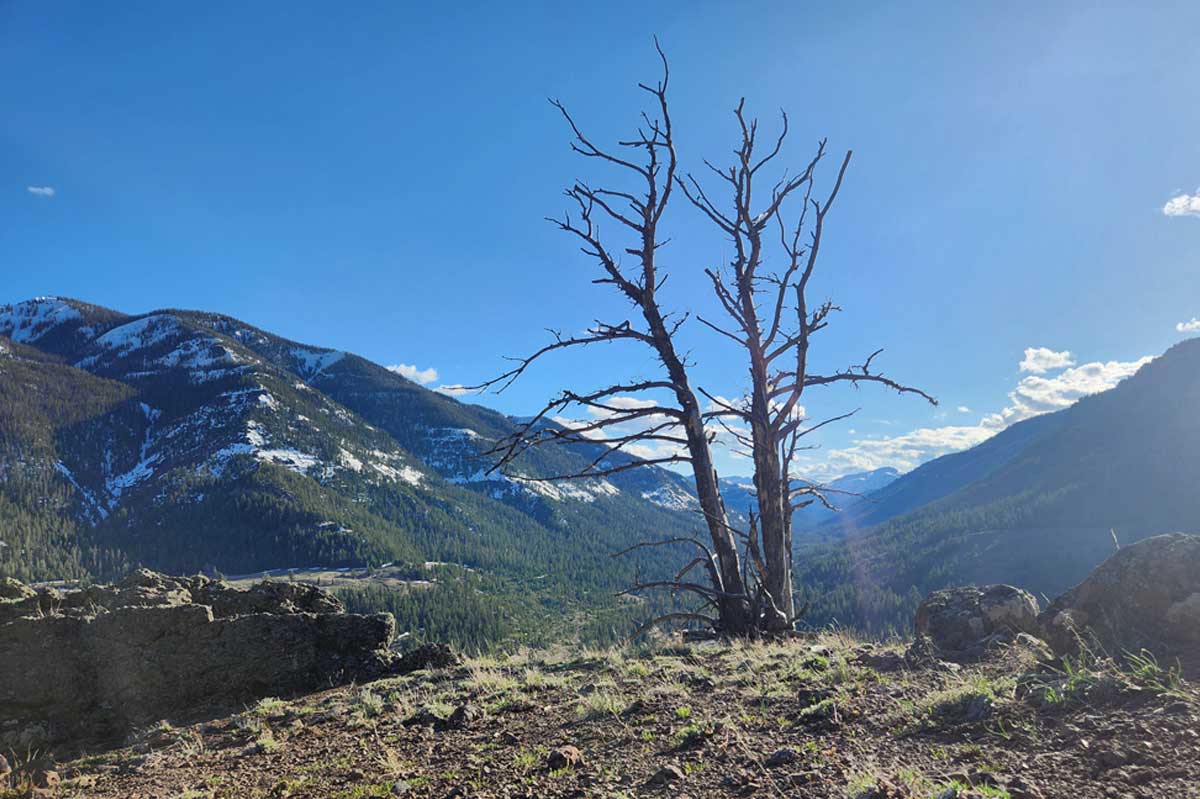
Cody appeals to people who want a small community without giving up access to a fairly broad range of services, activities and recreation. Its relationship with Yellowstone is obviously a major part of that appeal, but residents aren’t simply living in a gateway to the national park. Cody has its own downtown, restaurants, cultural attractions, local businesses, healthcare services and community life. The surrounding landscape also gives residents immediate access to mountains, rivers, trails and outdoor recreation that people in larger cities often have to travel hours to find.
There is also a seasonal component to living in Cody that prospective residents should understand. Summer brings substantial visitor activity, and the town can feel noticeably more energetic during the tourist season. For some people, that’s a positive part of living here. For others, the quieter months are what make Cody attractive. If you’re considering relocating, it’s worth seeing Cody at more than one time of year. A community can look very different when you’re visiting for a summer vacation than it does when you’re thinking about buying a house and living there twelve months a year.
What Is It Like to Live in Powell?
Powell has a different rhythm. Agriculture and ranching are much more visible parts of the surrounding landscape, and the community has a strong connection to the productive agricultural valley around it. That gives Powell a somewhat different identity from Cody, and for some buyers that’s exactly the attraction. If you’re looking for a smaller community that feels less connected to the tourism economy and you don’t need to be immediately next to Yellowstone, Powell deserves serious consideration.
That doesn’t mean Powell is somehow less active or less connected. It is simply a different kind of community. Someone who values a quieter setting, agricultural surroundings or a different selection of homes and land may find that Powell fits better. And sometimes the decision has very little to do with the town itself. A buyer may simply find a property in or around Powell that offers the combination of house, land, location and price that makes more sense than anything currently available in Cody.
How Different Are the Real Estate Markets?
The real estate markets overlap geographically, but buyers should not assume that Cody and Powell offer the same inventory or the same opportunities. Current REV listings demonstrate the range of property types and locations the brokerage handles, including homes and other properties in both Cody and Powell as well as Meeteetse, Lovell and Wapiti.
That matters because the best community for you may ultimately be determined by the property you’re trying to find. A buyer with a particular budget might discover a larger home or more land in Powell, while another buyer may be willing to pay more to be closer to Cody’s services, restaurants, recreation and Yellowstone access. Someone looking for acreage may find that the city limits matter far less than the surrounding rural areas. A ranch buyer, retirement buyer, first-time buyer and second-home buyer are all going to approach this market differently.
This is why we think it’s better to start with your priorities and then look at where those priorities can actually be met. Don’t decide that you have to live in Cody or Powell before you understand what is available in both. You can explore
REV Cody’s current homes and properties for sale to get a sense of the range of locations and property types currently available.
Is Powell Less Expensive Than Cody?
Depending on the property and the current market, Powell can provide opportunities at a different price point from Cody, but we wouldn’t reduce the comparison to “Cody is expensive and Powell is cheap.” Real estate doesn’t work that neatly. A house in Cody and a house in Powell may have completely different acreage, condition, improvements, location and long-term costs, making a simple comparison of asking prices less useful than it first appears.
The better question is what you’re getting for your money. If your priority is maximizing house size or land, Powell and the surrounding areas may open up possibilities that are harder to find in Cody. If your priority is being close to Cody’s amenities, having a particular neighborhood or property type, or being closer to Yellowstone, paying more for the right location may make sense. A lower purchase price isn’t automatically a better value if the property doesn’t fit the life you intend to live there.
What About Buying Land?
This is one of the biggest reasons the Cody-versus-Powell decision should not be reduced to a comparison of houses. There are plenty of buyers who aren’t really looking for a house at all. They’re looking for acreage, a ranch, a place for horses or livestock, room for a shop, recreational property, privacy or simply enough land that their nearest neighbor isn’t right outside the window.
For those buyers, the surrounding rural areas can be just as important as Cody or Powell themselves. Rural property also introduces a different set of questions. Water rights, wells, septic systems, access, road maintenance, utilities, zoning, agricultural considerations and winter conditions can all matter. The cheapest acreage isn’t necessarily the best acreage, and the closest property to town isn’t necessarily the most convenient once you understand what you’re actually going to do with it.
This is one area where local experience is particularly valuable. REV’s market extends beyond Cody into surrounding communities and rural properties, so buyers don’t have to artificially restrict their search to one town.
What About Families?
For families, the decision should go well beyond the house itself. Schools, activities, commuting, access to services, neighborhood character and the type of community you want your children to grow up in all matter, and those considerations can point different families in different directions.
Cody may appeal to a family that wants greater access to restaurants, recreation, cultural activities and the tourism-related amenities that come with a larger regional community. Powell may be more attractive to a family that prefers a quieter agricultural setting and doesn’t need to be as closely connected to Cody’s tourism economy. A rural property outside either town creates another set of possibilities, but it also means accepting longer drives and more responsibility for maintaining the property.
There isn’t a universal answer. The right choice depends on what your family actually values and what you’re willing to trade to get it.
What About Retirees?
Retirees often approach this decision differently because the house itself is only one part of the equation. Cody can be attractive because of its restaurants, activities, cultural attractions, recreation and proximity to Yellowstone and the mountains. Powell can appeal to someone who prefers a quieter community and a stronger connection to the agricultural character of the area.
Healthcare and everyday convenience deserve particular attention. A property that feels perfect at 60 may not be as convenient at 75, and that’s worth thinking about before buying rather than after. Consider how close you’ll be to healthcare, groceries, restaurants and other services, how much property maintenance you really want, and what winter access will mean if you’re buying outside town.
For a retirement buyer, the question isn’t which community is prettier or which one has the most attractive house. It’s which location is likely to continue working for the life you expect to live over the next ten or twenty years.
What About Work and Commuting?
Living in one community and working in another may be completely practical, depending on your job, schedule and tolerance for commuting. Someone might find the right home in Powell while working in Cody, or discover that a property outside either town gives them a better combination of land and lifestyle even though it adds some driving to the workday.
But don’t judge the commute entirely from a map. Drive it. Think about winter weather, road conditions, the time of day you’ll be traveling and how often you’ll actually make the trip. A drive that feels insignificant during a July visit can feel very different in January, particularly if you’re coming from somewhere that doesn’t experience Wyoming winters.
For people relocating from outside the area, this is another reason we recommend spending real time here before making a purchase. You’re not just choosing a house. You’re choosing the daily routine that comes with the house.
What Role Does Tourism Play?
Tourism is one of the clearest differences between Cody and Powell. Cody’s relationship with Yellowstone has a major influence on its economy and identity, and summer brings a substantial increase in visitors. Restaurants, lodging, attractions, retail businesses and other parts of the local economy are affected by that seasonal activity.
Powell has a much less tourism-driven identity. That can be a positive or a negative depending on what you’re looking for. Some people enjoy having more activity, restaurants and attractions close at hand. Others would rather live somewhere where tourism isn’t as prominent and the community feels more centered on its year-round residents.
If you’re relocating permanently, try to experience both communities during different seasons. You may discover that the town you enjoyed visiting isn’t the town you want to live in year-round. You may also discover the opposite: that the energy and activity you experienced as a visitor are exactly what you want as part of your everyday life.
What About Outdoor Recreation?
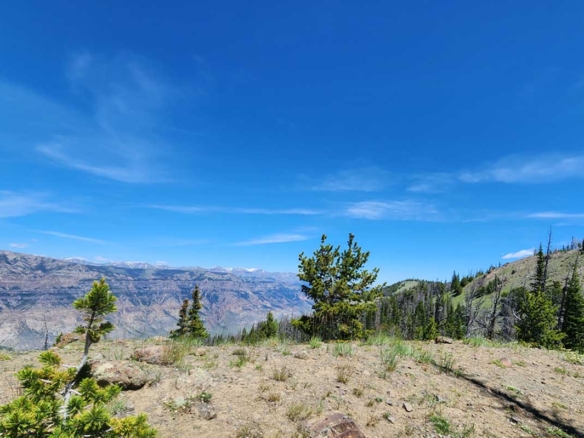
Outdoor recreation is likely to be part of the reason you’re considering this part of Wyoming in the first place. Both Cody and Powell provide access to the broader region’s mountains, rivers, trails and open spaces, but the best location depends on the particular activities you care about and how often you plan to use them.
Cody’s location makes it especially attractive to people who want close access to Yellowstone, the mountain country and the recreation surrounding the Shoshone River. Powell provides access to the same broader region while offering a different home base and a different community environment. For some buyers, the difference will be obvious. For others, the property itself will matter more than the town.
Think specifically about how you spend your free time. Fishing, hiking, hunting, horseback riding, boating, skiing, camping and simply having open space around you can all lead to different priorities. “Close to recreation” is a useful phrase in a listing, but it means something different to everyone.
What About the Areas Outside Cody and Powell?
This is where we think buyers sometimes make the biggest mistake: narrowing the search too early.
Park County offers a range of communities and rural areas beyond Cody and Powell. Depending on your priorities, Meeteetse, Wapiti, Lovell, the North Fork, the South Fork or another rural location may make more sense than either of the two larger communities. REV’s current listings reflect that broader regional market, with properties appearing across several of these locations.
This is also where the next layer of the REV Cody content will become useful. If you’re deciding between the mountain communities and corridors around Cody,
North Fork vs. South Fork will be a natural next comparison as that article is developed.
A buyer looking for mountain property has a very different search from someone looking for an in-town starter home. Someone interested in a ranch or acreage has different needs from a retiree looking for a low-maintenance house. Someone buying a second home may care much more about Yellowstone access than someone purchasing a primary residence.
That is why we don’t think the search should begin with “Cody or Powell?” It should begin with “What am I actually looking for?” Once you answer that, the geography becomes much easier to understand.
What About a Second Home?
Second-home buyers have another set of considerations. If the property is primarily going to be used for Yellowstone trips, outdoor recreation, restaurants and vacations, Cody may naturally rise to the top. If you’re looking for a quieter retreat with more land and less connection to tourism, Powell or one of the surrounding rural areas may be a better fit.
The practical side matters too. How often will you use the property? Who will maintain it when you’re gone? How accessible will it be in winter? Are you considering renting it when you’re not using it? A second home is still a real estate investment, and the costs and responsibilities of ownership don’t disappear simply because you’re only there part of the year.
So, Should You Choose Cody or Powell?
If you want a community with a stronger connection to Yellowstone, more tourism-related activity, a somewhat larger population and a broader range of visitor-oriented services and activities, Cody may be the natural fit. If you prefer a smaller community with a stronger agricultural identity, a quieter atmosphere and potentially different opportunities for homes and land, Powell deserves serious consideration.
But there’s no reason to force the decision into those two choices. The North Fork, South Fork, Meeteetse, Wapiti, Lovell and other surrounding areas may offer exactly what you’re looking for. In fact, the right property may be in a place you hadn’t considered simply because you started your search with a city name rather than with your actual goals.
The Right Question Isn’t Cody or Powell
When people ask whether Cody or Powell is better, they’re often asking the wrong question.
The better question is:
What kind of life are you trying to build, and where does that life make the most sense?
If you want a house close to restaurants and services, that’s one search. If you want five acres, that’s another. If you’re looking for a ranch, a retirement home, a first home, a vacation property or a place for your family, the answer changes again. The more specific you become about what you want, the easier it becomes to identify the locations that deserve your attention.
That’s also why we don’t believe in pushing every buyer toward the same community. REV Real Estate is based in Cody, but its current listings and market coverage extend into Powell and surrounding communities, including Meeteetse, Lovell and Wapiti. The value of local representation isn’t simply knowing one town. It’s understanding how the different parts of the region compare and helping a buyer recognize when a property in one area may be a better fit than an apparently similar property somewhere else.
Start With the Property — Not Just the Town
If you’re relocating to Park County, spend time in the communities you’re considering. Drive around. See them in different seasons. Look beyond the downtown areas. Think about your commute, your hobbies, your family, your healthcare needs and the kind of property you actually want to own. Then start looking at the real estate.
REV Cody’s buyer resources are a good place to start, particularly if you’re still figuring out your priorities. The existing
guide to buying a home in Cody is another useful resource once you’re ready to understand the purchase process. REV’s approach is built around local market knowledge and helping buyers evaluate neighborhoods, acreages and properties rather than simply showing them whatever happens to be available.
And if you haven’t made up your mind between Cody and Powell, that’s okay.
You don’t have to.
The point of working with a local real estate professional isn’t to convince you that one community is better than another. It’s to help you understand the differences, see the properties that fit your goals and make a decision that works for your life.
Cody may be right for you. Powell may be right for you. Or somewhere in between may be exactly what you’re looking for.