Buying a Home in Sheridan, Wyoming: What Out-of-State Buyers Need to Know
Buying a home in Sheridan, Wyoming, from another state requires more than browsing online listings and arranging a few property tours. You may already have compared prices, looked at photographs, researched neighborhoods, and started imagining what life in northern Wyoming might look like. But there’s a difference between finding a house you like and understanding what you’re actually buying.
Sheridan offers several different real estate opportunities, from established homes near downtown to newer residential properties, smaller communities, and rural homes with acreage. For buyers coming from Colorado, California, Texas, or elsewhere, those differences matter. A property that looks like a bargain online may involve additional considerations such as utilities, access, maintenance, or land-use restrictions. Another home that initially seems expensive may offer features that make it a better long-term purchase.
The most important thing is to understand the local market and the property itself before making a commitment. When you’re buying from out of state, you don’t necessarily have the advantage of knowing the neighborhoods, understanding local conditions, or recognizing the details that can make one property considerably different from another.
Understanding the Sheridan Real Estate Market
Sheridan has a varied housing market, and buyers should be careful about relying on a single average price or automated online valuation. Different websites measure different things. Some report asking prices, others report completed sales, and some combine Sheridan with the surrounding county.
For an October 2026 snapshot, Realtor.com reported a median asking price of approximately $597,850 for Sheridan, with 368 active listings and a median of 89 days on market. These figures provide an indication of the available listing market, but they aren’t a substitute for recent comparable sales. Asking prices reflect what sellers hope to receive, not necessarily what buyers ultimately pay.
The market also varies considerably by property type and location. A conventional home near downtown Sheridan is a different purchase from a newer home in a residential development, a property near the Bighorn Mountains, or a rural residence with acreage and outbuildings.
You should also distinguish between Sheridan itself and the surrounding communities. Dayton, Ranchester, Story, Big Horn, and other areas offer different housing options, price points, and ownership considerations. The right comparison isn’t simply which community has the lowest asking price. It’s what you’re getting in return.
For a starting point, review the Sheridan housing market statistics and then look at actual comparable sales for the specific property type you’re considering.
Sheridan or the Surrounding Communities?
One of the first decisions is whether you want to live in Sheridan itself or somewhere outside town.
Sheridan offers the convenience of a regional community, with shopping, restaurants, healthcare, schools, and everyday services. Buyers who want easier access to those amenities may prefer an established neighborhood or residential development within the city.
The surrounding communities offer a different experience.
Dayton is located near the western edge of Sheridan County, close to the entrance to the Bighorn Mountains. Ranchester provides another smaller-community option north of Sheridan. Story offers a more wooded foothills setting, while Big Horn is worth exploring for buyers interested in larger residential properties and a different type of rural environment.
These locations aren’t interchangeable. Driving distances, school arrangements, utility services, road maintenance, and available property types can vary. A home that looks relatively close to Sheridan on a map may involve a considerably different daily routine.
Before narrowing your search, drive between these communities. Look at the routes you would actually use, not just the distance shown by an online mapping service. Consider winter access, shopping trips, healthcare, employment, and how often you expect to travel into town.
For buyers relocating from a metropolitan area, the difference between living five minutes from downtown and maintaining a rural property farther away can be significant.
Understand What You’re Buying Outside City Limits
This is one of the most important considerations for buyers unfamiliar with Wyoming real estate.
A property inside Sheridan may have access to municipal water and sewer services, depending on its location and service arrangements. Outside the city, the situation can be quite different.
Some properties rely on private wells and septic systems. Others may receive water through a community system or special service district. Road maintenance, snow removal, trash collection, and other services can also vary depending on where the property is located.
None of this is necessarily a disadvantage. Many buyers specifically want a property outside town because they want more space, privacy, or room for animals and equipment. But rural ownership requires a different level of investigation.
If a property has a private well, ask about its history, production, water quality, testing, and maintenance. If it has a septic system, understand its age, condition, capacity, and inspection history. Don’t assume that because a property has been used a certain way for years, every future use will automatically be permitted.
The City of Sheridan’s utility services department provides information about water and sewer services, permits, and inspections. Buyers should verify service availability directly for the specific property rather than assuming that proximity to municipal infrastructure means a connection exists.
For rural homes, also investigate access easements, road maintenance agreements, irrigation, water rights, fencing, and any restrictions that could affect how you use the land.
Look Beyond the Listing Photographs
Online listings are useful, but photographs can make it difficult to understand the actual setting of a property.
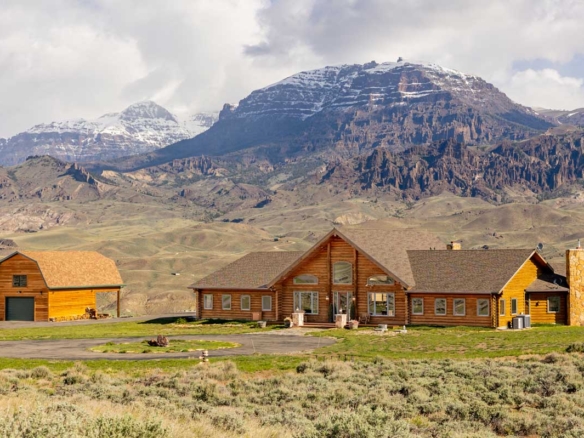
A house may look secluded in its listing photographs but sit close to a busy road. Another may appear ordinary online but be located in a neighborhood with mature trees, established homes, and convenient access to downtown. A property with a beautiful mountain view may have a very different experience depending on its orientation, surrounding development, and access during winter.
For out-of-state buyers, this is where local knowledge becomes particularly valuable.
Ask about the surrounding properties, traffic, nearby development, road conditions, and anything else that might affect your enjoyment of the location. Look at the property on a map, examine its immediate surroundings, and use street-level imagery where available.
If possible, visit the neighborhood at different times of day. A quiet street on a Tuesday afternoon may feel different during a busy weekend or school commute.
Also consider the location relative to your everyday needs. How far is the grocery store? How long does it take to reach medical services? Where will you shop, work, exercise, and spend your free time?
The goal isn’t simply to find a nice house. It’s to find a location that works for your actual life.
Wyoming Winters Deserve Serious Consideration
People moving to Wyoming from warmer climates sometimes underestimate winter. Even buyers coming from Colorado can be surprised by how different conditions are from one community to another.
Sheridan sits at approximately 3,700 to 3,900 feet in elevation near the eastern foothills of the Bighorn Mountains. Winters can be cold, with snow, occasional severe cold spells, and changing road conditions. The area also experiences periods of warmer weather during winter, so conditions can change considerably throughout the season.
When evaluating a home, look beyond the interior. Consider the driveway, garage, roof, insulation, heating system, windows, and exposure to wind. If the property is outside town, think about how snow removal works and whether the access road is maintained.
A long driveway may look appealing during the summer but require considerably more attention during winter. A rural property may also need additional equipment or arrangements for maintaining access.
Ask about heating costs and the age and efficiency of the heating system. If the home has multiple heating sources, understand how they work and what maintenance they require.
The National Weather Service’s Wyoming climate normals provide historical temperature and snowfall information for Sheridan. These records are useful when comparing the area’s climate with where you’re moving from.
If you’re seriously considering a rural property, visiting during winter can be particularly helpful. You’ll get a much better understanding of the property’s access, exposure, and maintenance requirements than you will during a summer showing.
Be Thorough With Inspections and Due Diligence
Buying remotely makes a thorough inspection process even more important.
You may not be able to visit a property several times before making an offer, and you might be relying on photographs, video tours, and information supplied by others. That makes it especially important to understand the property’s condition before moving forward.
A professional home inspection should cover the major components of the house, including the roof, foundation, electrical system, plumbing, heating, cooling where applicable, and visible structural conditions.
Depending on the property, additional inspections may be appropriate. These can include sewer scopes, radon testing, well-water testing, septic evaluations, roof inspections, or specialized assessments of outbuildings and other improvements.
For rural homes, don’t overlook the land itself. Drainage, access, fencing, easements, water rights, and property boundaries may be just as important as the house.
The Wyoming Department of Environmental Quality’s Know Your Well program explains the responsibilities of private well owners, including maintenance and water testing. Buyers should request available well records and arrange appropriate testing rather than assuming an existing water supply is automatically safe and reliable.
If you are considering a property with plans to build an additional structure, expand the home, or change how the land is used, verify the applicable requirements before assuming those improvements will be permitted. The City of Sheridan Planning Division provides information about city zoning, subdivision regulations, and development applications. Properties outside city limits may fall under different county requirements.
Financing a Wyoming Home From Another State
Financing a property in Wyoming is generally straightforward for qualified buyers, but relocating introduces a few additional considerations.
If you’re moving because of a job change, retirement, or a decision to work remotely, your lender will need to understand your financial circumstances and how your income will continue after the move.
Buyers who are self-employed, changing employers, or transitioning into retirement may need to provide additional documentation. If you’re purchasing a second home before selling your existing residence, the lender will also need to consider your existing mortgage and other financial obligations.
Get preapproved before beginning a serious property search. This gives you a realistic budget and makes it easier to move forward when you find the right home.
Also remember that the purchase price isn’t the entire financial commitment. Property taxes, homeowners insurance, utilities, maintenance, closing costs, and potential travel expenses should all be part of your budget.
If you’re planning to sell your existing home in another state, coordinate the timing carefully. You may need to arrange temporary housing, negotiate a longer closing period, or consider a purchase contingent on the sale of your current residence.
These details are easier to manage when they’re discussed early rather than after you’ve found a property you want to buy.
Visit Sheridan Before Making Your Final Decision
If you’re serious about moving to Sheridan, try to spend more than a weekend looking at houses.
Spend time downtown. Visit local businesses. Drive through different neighborhoods. Explore the surrounding communities and take a trip toward the Bighorn Mountains. Get a feel for the distances between places and how the area operates outside the tourist experience.
Sheridan has a different character depending on where you spend your time. Downtown offers historic architecture, local businesses, restaurants, and community activities. Residential areas provide a variety of housing styles and settings. The surrounding communities offer access to a different kind of rural lifestyle.
You should also consider healthcare, employment, schools, and other services that matter to your household. Sheridan functions as a regional center for northern Wyoming, but buyers with specialized medical or professional needs should investigate the specific services they require.
Our guide to living in Sheridan, Wyoming looks more closely at the community, local amenities, Bighorn Mountains, and the practical considerations of relocating there.
A visit won’t answer every question, but it can help you determine whether Sheridan is somewhere you genuinely want to live rather than simply somewhere that looks appealing online.
Sheridan and Cody: Two Different Wyoming Markets
If you’re researching northern and northwestern Wyoming, you may also be comparing Sheridan with Cody. That’s a worthwhile comparison because the two communities share some characteristics, but they offer different locations, landscapes, amenities, and real estate opportunities.
Sheridan sits beneath the Bighorn Mountains in northern Wyoming and has direct access to I-90. Cody is farther west and has its own relationship with Yellowstone, the Absaroka Mountains, and the broader northwest Wyoming landscape.
The communities also have different local economies, tourism patterns, property inventories, and surrounding rural markets.
The question isn’t necessarily which community is better. It’s which one fits the life you’re trying to build.
Our article, Sheridan vs. Cody: Which Wyoming Community Is Right for You?, explores those differences in greater detail.
For buyers considering both markets, comparing the communities before committing to a specific property can save considerable time and help establish more realistic expectations.
Finding the Right Home in Sheridan
Buying a home in Sheridan from another state doesn’t have to be complicated, but it does require preparation. The most successful buyers take time to understand the community, distinguish between city and rural property, investigate the details, and establish realistic expectations before making an offer.
Sheridan offers a range of housing opportunities, from established homes near downtown to newer residential properties, rural homes, acreage, and larger properties throughout the surrounding county. The right choice depends on your budget, lifestyle, and what you want your next chapter to look like.
Start by deciding what matters most. Do you want convenient access to downtown? Would you prefer a smaller community such as Dayton or Ranchester? Are you interested in acreage, a larger home, or a property with room for animals and equipment? How much maintenance are you comfortable taking on?
Once those priorities are clear, it becomes easier to compare properties and recognize what represents a reasonable purchase.
If your search includes Sheridan, Cody, or the surrounding Wyoming communities, REV Real Estate can help you explore the broader regional market and understand the differences between property types and locations. You can contact REV Real Estate to discuss your search and the areas you’re considering.
The goal isn’t simply to buy a house in Wyoming. It’s to find a property and community where you can build the life you came here looking for.