Why Are So Many People Moving to Wyoming? What People Discover After They Arrive

Life in Cody is about more than beautiful scenery. It's about finding a community and a pace of life

Why Are So Many People Moving to Wyoming? 

The REV Journal

Beyond the headlines, Wyoming’s appeal isn’t about escaping somewhere else. It’s about discovering a different way to live—one where space, community, and perspective still matter. If you only looked at the numbers, you might assume Wyoming has suddenly become fashionable. Over the last several years, more people have begun looking toward the least populated state in America.

Real estate searches have increased. Remote workers have discovered they no longer need to live near major cities. Retirees are trading congestion for open skies, while young families are questioning whether bigger, faster, and more expensive automatically means better. The headlines often reduce the story to a few familiar themes—lower taxes, beautiful scenery, Yellowstone National Park, or the freedom of wide-open spaces.

Those things are certainly part of the picture. But they don’t explain why someone who visits Wyoming for a week starts wondering what life here might actually feel like. Nor do they explain why people who never imagined leaving a city suddenly find themselves browsing homes around Cody late at night, comparing school districts, researching winter weather, and calculating whether moving might be possible after all.

The real question isn’t why people visit Wyoming. It’s why so many decide they don’t want to leave. That answer is far more interesting than any migration statistic. For most people, the decision doesn’t begin with Wyoming. It begins somewhere else—with a growing sense that life has become more complicated than it needs to be. Traffic turns twenty-minute errands into hour-long commitments. Housing costs consume a larger share of income every year. Crowded neighborhoods offer less privacy, while constant development leaves fewer places where silence still exists. Even recreation starts to require reservations, parking strategies, and planning weeks in advance.

People rarely wake up one morning and announce they’re moving to Wyoming. Instead, they begin asking quieter questions. Is there somewhere we could slow down? Could we afford a little more space? What would it feel like if our weekends weren’t spent sitting in traffic? Would our children have a different childhood somewhere else? Those questions have become surprisingly common, and they often lead to the same place on the map. Cody occupies a unique position within Wyoming because it offers something many people don’t realize they’re searching for until they experience it firsthand.

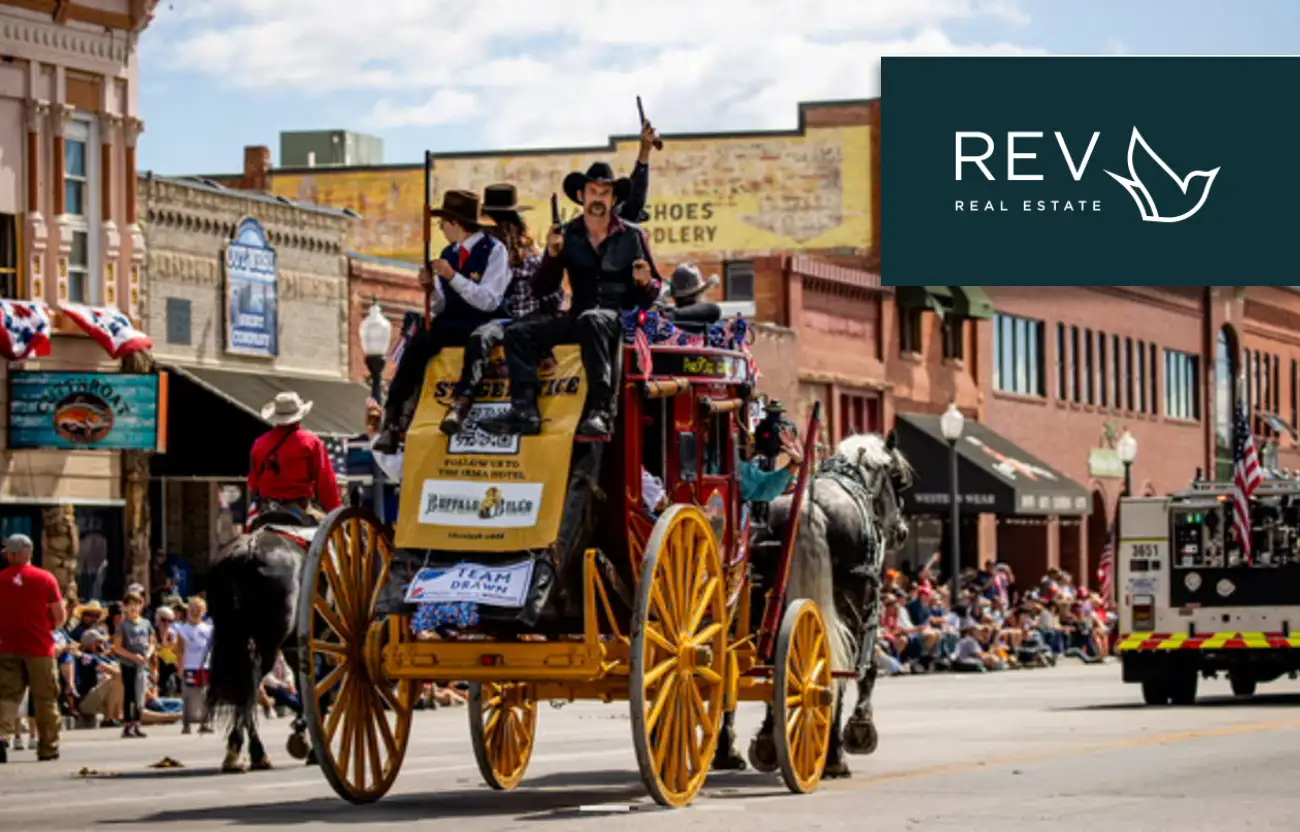
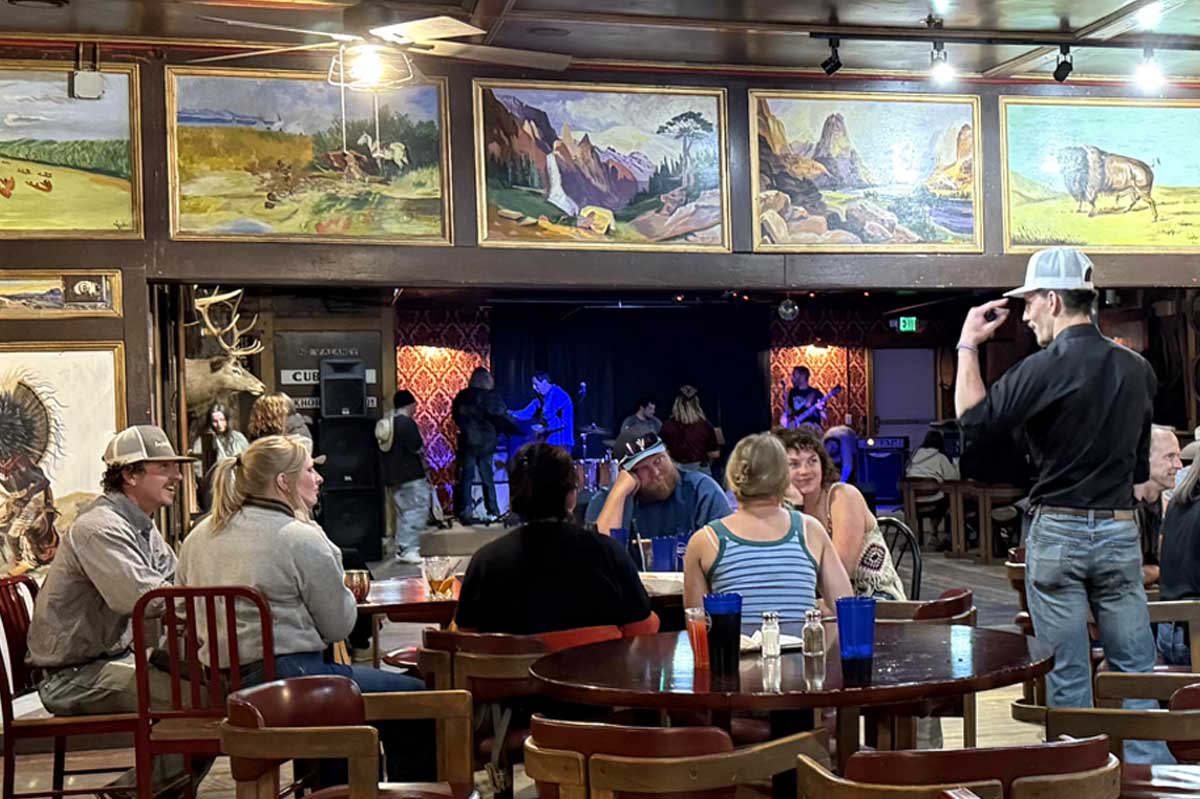
Founded by William F. Cody, the community has always balanced frontier history with everyday practicality. It’s known around the world as the eastern gateway to Yellowstone National Park, yet for the people who live here year-round, Yellowstone is only one chapter in a much larger story. Daily life isn’t built around vacation itineraries. It’s built around routines that have become increasingly rare elsewhere. Neighbors wave as they pass. Store owners often recognize familiar faces. Community events still matter because people actually attend them. Local businesses aren’t anonymous storefronts; they’re places where conversations happen naturally.

None of this feels extraordinary to longtime residents, but to newcomers it can feel almost unfamiliar. In many parts of the country, people have become accustomed to living near thousands of others without truly knowing anyone around them. That difference is difficult to measure, yet it’s one of the first things people notice after relocating.

There is a tendency to romanticize Wyoming as untouched wilderness where every morning begins with elk wandering across the landscape beneath snow-covered mountains. The reality is both more ordinary and, in many ways, more appealing. Life here still involves work, grocery shopping, school schedules, doctor’s appointments, home maintenance, and all the responsibilities that exist anywhere else. People still deal with deadlines, unexpected repairs, and changing plans.

Moving to Wyoming doesn’t eliminate ordinary life. It simply changes the backdrop against which ordinary life happens. Instead of spending an hour commuting through heavy traffic, many residents spend that time walking a trail, fishing along the river, attending a community event, or simply sitting on the porch watching the light change across the mountains. The amount of free time may not actually increase, but the quality of that time often feels remarkably different. That shift in perspective explains why many people who relocate here describe the move less as starting over and more as returning to something they didn’t realize they had been missing.

It’s also why outsiders sometimes misunderstand Wyoming. Visitors often focus on dramatic landscapes because they’re impossible to ignore. Residents appreciate those landscapes too, but after living here awhile, they talk just as much about simpler things. They mention shorter drives, less stress, stronger communities, cleaner air, and having room to breathe—both literally and figuratively. Those qualities rarely appear in relocation rankings or real estate statistics because they’re almost impossible to quantify. Yet they’re often the deciding factors.

People don’t usually relocate because a spreadsheet convinced them. They move because they can picture a different version of everyday life. For some, that picture includes raising children in a place where outdoor adventures are part of growing up rather than occasional vacations. For others, it’s the possibility of retiring somewhere that feels active without feeling crowded. Increasingly, it’s also professionals whose offices exist wherever there’s a reliable internet connection. Remote work hasn’t created Wyoming’s appeal, but it has removed one of the biggest obstacles that once kept many people from considering it. Suddenly, living near opportunity no longer requires living in a major metropolitan area. That has changed the conversation in ways few people predicted even a decade ago.

Many people who eventually move to Cody weren’t originally searching for Cody. They started with broad searches like “best places to retire,” “small mountain towns,” or “states with lower taxes.” Somewhere during that research, Cody appeared on the map. They learned about the community, looked at photographs, explored neighborhoods, compared housing costs, and discovered that the place they had never seriously considered kept answering more of their questions than the locations they already knew. That’s a pattern we’ve seen repeatedly. People arrive curious about Wyoming. Many stay because of Cody. And almost all of them discover that the reasons have very little to do with the postcard version of the state.

One of the biggest misconceptions about moving to Wyoming is that people are chasing isolation. Spend enough time talking with families who have relocated to Cody, and a different picture begins to emerge. Very few were looking to disappear from society or retreat to some romantic version of frontier life. Most simply wanted life to feel more manageable. They wanted to know their neighbors without sacrificing their privacy. They wanted to spend less time navigating traffic and more time doing the things they actually enjoyed. They wanted communities that still felt connected rather than collections of houses occupied by strangers. That’s a subtle distinction, but it’s an important one.

People aren’t moving here because Wyoming is empty. They’re moving here because it doesn’t feel overcrowded. There’s a difference. Anyone who has lived in a rapidly growing metropolitan area knows that population alone isn’t the issue. Growth brings opportunity, but it also changes the rhythm of daily life. Roads become busier. Schools become larger. Housing becomes more competitive. A quick stop at the grocery store turns into another item that requires patience. None of these changes happen overnight, yet over time they quietly shape how people experience every ordinary day. Eventually, many begin wondering whether life has to feel quite so rushed.

That question often marks the beginning of a much larger conversation. For decades, moving was largely dictated by employment. People lived where the jobs were because there was little alternative. Today, that equation has shifted. Remote work has untethered thousands of professionals from traditional office locations, allowing them to choose communities based on lifestyle rather than commuting distance. While not every career offers that flexibility, enough do that towns like Cody are attracting people who would never have considered relocating twenty years ago.

Interestingly, those newcomers often discover something unexpected. Once work becomes portable, other priorities move to the front of the decision-making process. Suddenly, access to trails matters more than proximity to a freeway. A backyard becomes more valuable than another bedroom. An evening spent watching a Wyoming sunset carries more weight than another hour spent in traffic. It’s not that careers become less important. It’s that people begin asking what their careers are supposed to support. That shift in thinking has reshaped migration across much of the American West, and Wyoming has benefited from it.

Of course, lifestyle alone isn’t enough. Practical considerations still matter, and anyone seriously considering a move eventually begins asking harder questions. What are the winters really like? How far is the nearest hospital? Are the schools good? Can you build a business here? What about internet service? Is it difficult to find contractors? How much does everyday living actually cost? These aren’t obstacles. They’re the questions thoughtful people ask before making a major life decision.

The interesting thing is that long-time residents rarely answer them with simple yes-or-no responses. Instead, they’ll usually explain that living in Wyoming requires a different mindset. You learn to plan ahead a little more. Weather deserves respect. Distances between towns may be greater than you’re used to. A trip that feels routine elsewhere might require more preparation here, particularly during the winter months. For some people, those realities are drawbacks. For others, they’re part of what makes Wyoming feel refreshingly authentic. Life isn’t built around convenience at every turn, but neither is it unnecessarily difficult. It simply asks you to become a little more aware of the seasons, your surroundings, and the community around you.

Over time, many residents find that awareness becomes one of the things they value most. That idea often surprises first-time visitors. They arrive expecting dramatic scenery, and Wyoming certainly delivers. Yet after a few days, the scenery begins to fade into the background—not because it becomes less impressive, but because everyday life takes over. Children still go to school. Businesses open their doors. Friends meet for coffee. High school sports fill the calendar. Local events bring people together. The mountains remain where they’ve always been, quietly framing a community that isn’t trying to impress anyone.

There’s an authenticity to that rhythm that’s becoming increasingly difficult to find. Perhaps that’s why so many people who relocate here say they immediately feel less pressure. Not because life suddenly becomes easy, but because expectations begin to change. Success is measured a little differently. Free time becomes something you actually protect instead of something you hope to find. Conversations last longer. Weekends feel less scheduled. People discover that they don’t always need another activity, another purchase, or another destination to make a day feel worthwhile.

That isn’t unique to Cody alone, but Cody seems to embody it particularly well. The community has managed to grow without losing much of the character that drew people here in the first place. Visitors quickly notice the historic downtown, the western heritage, and the obvious connection to Yellowstone. Residents, however, tend to speak more about the sense of belonging that develops over time. They know which coffee shop they’ll run into friends at on a Saturday morning. They recognize familiar faces at community events. They volunteer, coach youth sports, attend local fundraisers, and gradually become part of the place rather than simply living in it. That transition rarely happens overnight.

Like any meaningful move, relocating to Wyoming involves adjustment. Expectations evolve. Routines change. Some newcomers discover they love every aspect of it, while others realize they’re better suited to a faster pace elsewhere. That’s true of any relocation, and pretending otherwise wouldn’t be particularly helpful. The people who thrive here generally share one characteristic. They didn’t move looking for perfection. They moved looking for a better fit. That’s an important distinction because no community can be everything to everyone. Cody has its own personality, its own pace, and its own way of doing things.

The people who come to appreciate it most are usually those willing to embrace those differences rather than trying to recreate the place they left behind. Perhaps that’s the most overlooked reason people continue moving to Wyoming. They’re not necessarily searching for a different house. They’re searching for a different relationship with everyday life. And for many, that’s exactly what they find.

There is one final reason so many people continue moving to Wyoming, and it rarely appears in reports about migration trends or housing markets. It’s perspective. The longer people live in places where every square foot feels contested, every road grows busier each year, and every season seems to demand a faster pace, the easier it becomes to assume that’s simply what modern life looks like. We adapt without realizing we’ve adapted. Longer commutes become normal. Crowded weekends become expected. Constant noise becomes background. We stop asking whether life has to feel that way because we’ve forgotten there might be another option.

Then people spend a little time somewhere like Cody. Not as tourists racing from one attraction to another, but long enough to buy groceries, walk downtown on an ordinary Tuesday, have breakfast at a local café, or simply watch the sun disappear behind the mountains without feeling the need to be somewhere else. That’s often when the conversation changes. The scenery is still breathtaking, but it isn’t what lingers in people’s minds after they leave. It’s the pace. It’s the space. It’s the realization that a quieter life doesn’t necessarily mean a smaller one. That doesn’t mean Wyoming is for everyone, and it shouldn’t be. Some people thrive on the energy of large cities, endless entertainment, and neighborhoods that never seem to sleep.

Others build careers that genuinely require living in major metropolitan areas. There is nothing wrong with that. Choosing where to live has always been deeply personal, and the best community is the one that fits the life you want to build. The people who ultimately choose Cody usually arrive at that decision gradually rather than emotionally. They visit once, then again. They come during different seasons. They ask practical questions instead of simply admiring the views. They pay attention to schools, healthcare, neighborhoods, local businesses, and what everyday life actually feels like after the novelty wears off. In other words, they stop imagining a vacation and start imagining a home.

That’s a far more useful way to evaluate any place. After helping people relocate to Cody for years, one pattern becomes difficult to ignore. Rarely does someone call because they’re only interested in square footage or the number of bedrooms. Those details matter, of course, but they usually come later. The first conversations are almost always about lifestyle. They ask whether winters are manageable. Whether it’s easy to meet people. Whether there are activities for children. Whether healthcare is accessible. Whether they can work remotely. Whether the community feels welcoming. They’re asking about a house on the surface, but beneath those questions is something much bigger. They’re trying to picture the life they’ll be living inside it.

That’s why the best relocation decisions rarely happen quickly. They come from curiosity, honest research, and a willingness to look beyond photographs and statistics. Every community has strengths, compromises, and surprises. Cody is no different. The goal isn’t to convince everyone to move here. The goal is to help the right people understand what life here is genuinely like so they can make a confident decision. Ironically, that’s also why so many people who do relocate tell us the reality feels remarkably similar to what they hoped for. Not because everything is perfect, but because they understood what they were choosing before they arrived. That may be the greatest advantage of asking the right questions first.

The Rev Perspective

One of the privileges of working with people relocating to Cody is watching their priorities evolve. Most begin the conversation wanting information about homes. Before long, the discussion naturally shifts toward schools, neighborhoods, local businesses, recreation, healthcare, commuting, and what an ordinary Wednesday afternoon feels like. Somewhere along the way, the house stops being the entire story and becomes part of a much larger picture. That’s why we’ve created The REV Journal. We believe relocating successfully begins long before scheduling a property tour. It starts by understanding the community, asking thoughtful questions, and building realistic expectations about what everyday life here actually looks like. If this article sparked new questions, you might also enjoy exploring our guides to What Does It Really Cost to Live in Cody, Wyoming?, Is Cody, Wyoming a Good Place to Live?, Why People are moving to Wyoming? And many more to come. Together, these cornerstone articles are designed to give you a complete picture of life in Northwest Wyoming before you ever begin searching for a home.

Thinking About Cody?

Relocating isn’t simply about finding the right property. It’s about finding the right place to build the next chapter of your life. If you’re beginning to explore whether Cody might be the right fit, take your time. Read the stories. Compare communities. Visit during different seasons if you can. Ask questions that go beyond real estate listings, because those are often the questions that matter most after moving day. When you’re ready to explore homes, neighborhoods, acreage, ranch properties, or simply talk through what relocating to Cody really involves, the team at REV Real Estate is always happy to have a conversation. Whether you decide Wyoming is the perfect fit or discover another place better suits your lifestyle, our goal is the same: to help you make an informed decision with confidence. Because the best move isn’t the fastest one. It’s the one that feels right long after the moving boxes are unpacked.

Browse our current listings, learn more about buying a home in Cody, or connect with the REV team. Whether you’re planning a move next month or simply exploring the idea, we’re always happy to share what we know about life in Northwest Wyoming.