Moving to Cody: Everything Nobody Tells You Before You Move
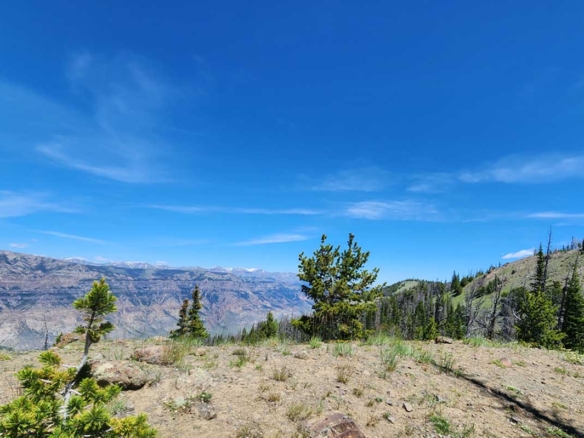
Some places leave you with photographs. Others leave you asking questions you didn’t expect to ask. Long before anyone starts browsing Homes for Sale in Cody, comparing neighborhoods, or calculating mortgage payments, something quieter has usually begun to happen. Life itself has started to feel different. The daily commute seems longer than it once did, even when the distance hasn’t changed. Weekends disappear before they’ve properly begun. Calendars become crowded with obligations while satisfaction stubbornly refuses to keep pace. Somewhere beneath the routine, a thought begins to emerge that many people initially dismiss because it feels almost too simple. There has to be another way to live. That thought, more than any property listing, is where most relocations truly begin. For many people, Cody enters the story almost by accident. They arrive on vacation, often on their way to Yellowstone National Park, expecting spectacular scenery and a few memorable days before returning home. They drive through the Bighorn Basin, spend time exploring Downtown Cody, wander Sheridan Avenue beneath the Absaroka Mountains, and leave convinced they’ve experienced Cody. In reality, they’ve only experienced the version designed for visitors. The mountains are unforgettable, of course, but scenery alone rarely changes anyone’s life. What people remember long after they’ve unpacked their suitcases is something far more difficult to describe. They remember conversations that weren’t hurried. They remember hearing silence without feeling uncomfortable. They remember what it felt like to spend several days without measuring every moment against the next appointment. Often, without realizing it, they return home carrying a feeling they can’t quite explain—but can’t quite forget either.Cody Changes When the Tourists Leave
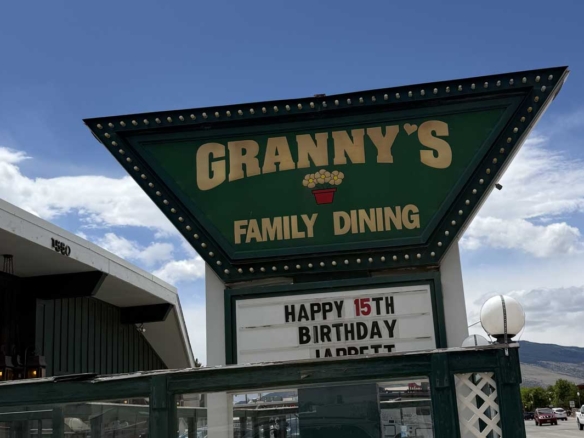
Summer introduces Cody at its busiest. Downtown fills with travelers from around the world making their way toward Yellowstone. Restaurants hum from morning until evening, motorcycles arrive in waves, hotel parking lots overflow, and cameras appear almost everywhere you look. It’s energetic, welcoming, and undeniably exciting, but it’s also temporary. When autumn begins nudging tourists westward and winter settles across the basin, another Cody quietly emerges. Sidewalks become familiar instead of crowded. Shopkeepers begin greeting people by name rather than room number. Friday night football once again becomes part of the town’s rhythm. Community events stop feeling like attractions and start feeling like gatherings where people genuinely expect to see one another. Visitors experience Cody as a destination. Residents experience it as home. Understanding what it’s really like to live here is every bit as important as finding the right property. Before deciding where to settle, many people also explore our guide to Cost of Living in Cody to understand what everyday life is really like. Across much of the American West, countless communities have gradually transformed into places designed primarily for visitors. Tourism became the economy, and little by little, local identity began giving way to visitor expectations. Residents sometimes found themselves living inside somebody else’s vacation. Cody has managed something increasingly rare. Tourism matters here and always will. Yellowstone shapes the rhythm of northwestern Wyoming, and visitors remain an important part of the local story. But they have never become the entire story. Behind every postcard view and every summer attraction is a genuine community where children are raised, businesses are built, neighbors recognize one another, and people still assume they’ll cross paths again tomorrow. That quiet continuity has become one of Cody’s greatest strengths because it reminds you that the town wasn’t created for tourists. It already existed before they arrived, and it continues long after they’ve gone home.Why More People Are Choosing Cody
For decades, Americans accepted an idea that seemed beyond question. Opportunity belonged to cities. Bigger skylines meant bigger careers. Professional success required larger airports, denser traffic, taller office buildings, and increasingly expensive ZIP codes. For a long time, that assumption made perfect sense because work dictated geography. Then technology quietly rewrote the rules without asking anyone’s permission. Architects began collaborating from mountain towns instead of downtown high-rises. Software developers discovered they could write code overlooking rivers instead of freeways. Consultants met international clients from home offices hundreds of miles from major metropolitan centers. Designers, engineers, marketers, accountants, and entrepreneurs increasingly realized they could choose where they wanted to live first and allow work to follow. Geography no longer controls nearly as many lives as it once did. People have begun reclaiming that decision for themselves, and many now begin their journey by researching moving to Cody long before they ever browse Cody homes for sale or contact a local real estate professional. That shift has quietly transformed places throughout the Mountain West, and Cody has become one of the communities many professionals discover almost by accident. Not because it promises perfection—no place honestly can—but because it offers something that has become surprisingly scarce. Space. Not simply physical space, although there is certainly plenty of that, but the kind of mental space that allows you to think without constant interruption. The kind of breathing room that lets life unfold instead of continually feeling compressed beneath deadlines, notifications, and traffic reports. People often describe Cody as slower than the places they left behind, but slower isn’t really the right word. Life here still demands responsibility, ambition, and hard work. It simply feels less fragmented. The difference sounds subtle until you begin living it. Then it changes almost everything.A Different Pace, Not a Smaller Life
Modern cities have become extraordinary machines for eliminating wasted seconds. Groceries are scanned faster. Meals arrive faster. Deliveries promise same-day convenience. Every system seems designed to shave another few moments from the day, creating remarkable efficiency along the way. Yet efficiency has a habit of quietly becoming the goal instead of the tool. Calendars grow denser until every hour has already been assigned before it begins. The result is astonishing productivity, but it can also become astonishingly exhausting. Cody values efficiency as well. It simply refuses to allow efficiency to replace humanity. You notice it in moments that barely register at first. A conversation develops naturally while paying for groceries because nobody seems eager to end it. Someone at the hardware store walks you to the shelf instead of pointing vaguely toward another aisle. Two strangers find themselves talking over coffee simply because they’re standing beside one another rather than because networking has become another scheduled activity. These moments aren’t viewed as interruptions to everyday life. They are everyday life.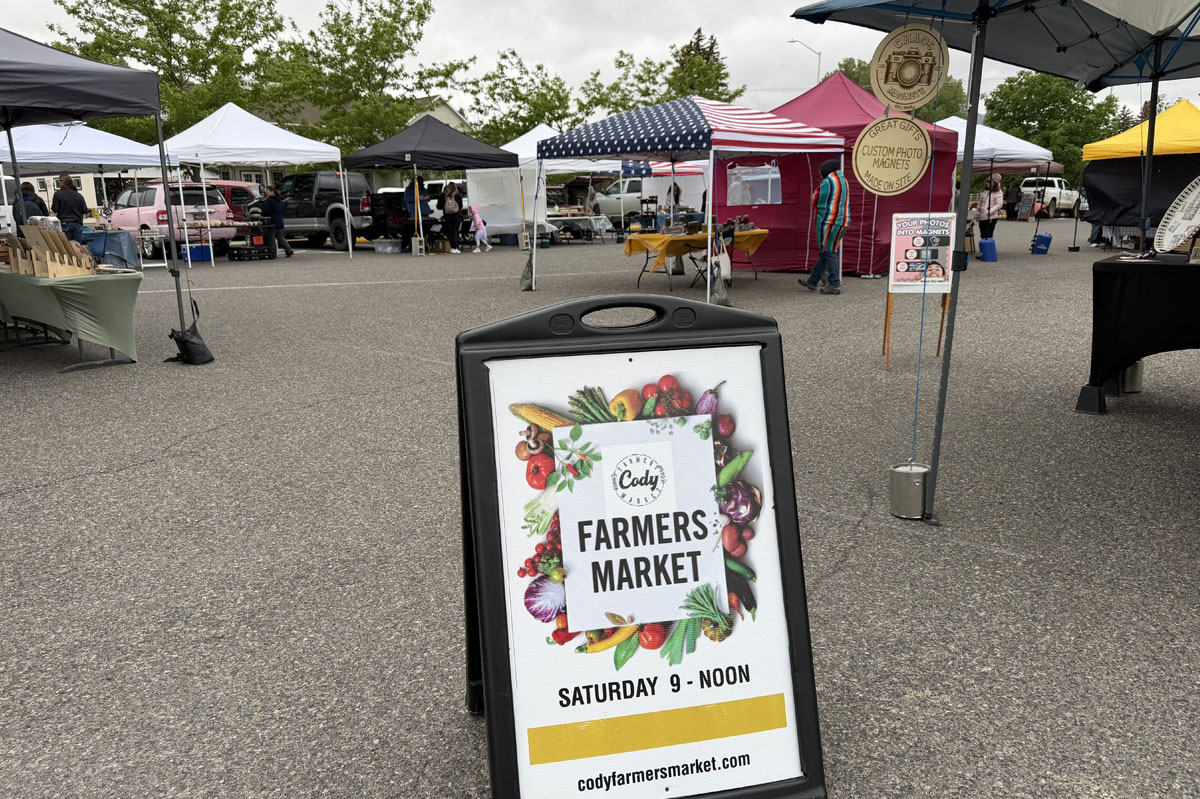
A Life Measured Differently
Quality of life is often imagined as a collection of extraordinary experiences. We picture dramatic vacations, milestone achievements, and unforgettable moments that punctuate the calendar. In reality, most lives are shaped somewhere else entirely. They are built from ordinary Tuesdays that feel a little less rushed, from evenings that don’t disappear behind a windshield, from weekends that don’t require recovering from the week that came before them.
The greatest improvements are usually so subtle that they escape notice while they’re happening, only becoming obvious months later when you realize you no longer feel quite the same person you were before. That is one of the quiet lessons Cody teaches better than almost anywhere. Life doesn’t necessarily become easier. It simply stops competing with itself.
The rhythm of a place reveals itself slowly. You won’t discover it during a long weekend or even during your first month after moving. It arrives one ordinary afternoon when you realize the day somehow felt different without anything remarkable having occurred. For many newcomers, that realization begins with distance.
People unfamiliar with Wyoming often study a map and assume an hour’s drive must be inconvenient because that’s what an hour has come to represent in many parts of the country. Congestion has conditioned us to measure travel by frustration rather than mileage. Wyoming quietly rewrites that equation. Driving through open valleys, ranchland, and mountain landscapes bears very little resemblance to inching between concrete barriers while brake lights stretch toward the horizon. Eventually, distance stops feeling like something to endure and starts feeling like part of the experience itself. The road becomes a place where you think, breathe, and arrive refreshed instead of depleted.
None of that should be mistaken for suggesting Cody somehow exists outside reality. It doesn’t. Real life follows you wherever you choose to live. Lawns still need mowing. Snow still needs shoveling. Appliances eventually fail, deadlines still arrive, children still need collecting from school, and bills remain wonderfully consistent in their ability to appear every month.
Mountains don’t eliminate responsibility any more than skylines create opportunity. What changes is the backdrop against which those responsibilities unfold.
When your evening walk becomes something you naturally look forward to instead of another task squeezed between appointments, daily life begins carrying less weight. When a trip into town doesn’t automatically require patience before you’ve even started the engine, routine loses much of its friction. Weekends gradually stop revolving around escaping the place where you live because there is less need to escape in the first place.
Perhaps the greatest luxury Cody offers isn’t recreation, scenery, or even open space. It’s margin. Margin between work and home. Margin between appointments. Margin between obligations that, in so many places, seem determined to crowd one another until every spare moment disappears.
Modern life has become astonishingly effective at filling every available space. Empty time can almost feel uncomfortable because we’ve forgotten what it was designed for. Cody quietly gives some of that room back. Not because residents have fewer responsibilities than anyone else, but because those responsibilities aren’t constantly colliding.
The difference is difficult to appreciate until you’ve experienced both ways of living. Once you do, it’s surprisingly difficult to imagine willingly surrendering that space again.
Living Through All Four Seasons
The changing seasons reinforce that perspective. Summer is the Cody most visitors know. Winter is the Cody every resident understands. Anyone seriously considering relocating owes it to themselves to experience both because each reveals something the other cannot. July showcases blue skies, festivals, and visitors from around the world passing through on their way to Yellowstone. January tells a quieter story.
Snow becomes part of everyday conversation. Weather forecasts deserve genuine attention. Good tires become necessities rather than optional upgrades, and leaving ten minutes earlier simply becomes common sense. To someone arriving from a warmer climate, those adjustments can initially seem intimidating. To longtime residents, they are simply another rhythm of the year, no more unusual than autumn leaves or spring rain might be elsewhere.
If you’re planning a move, spending time exploring Cody through all four seasons—and browsing our guide to things to do in Cody throughout the year—will tell you far more than any relocation brochure ever could. Living that way changes your relationship with time itself. Instead of measuring the year solely by dates on a calendar, you begin recognizing it through changing light, shifting temperatures, and landscapes that never quite repeat themselves.
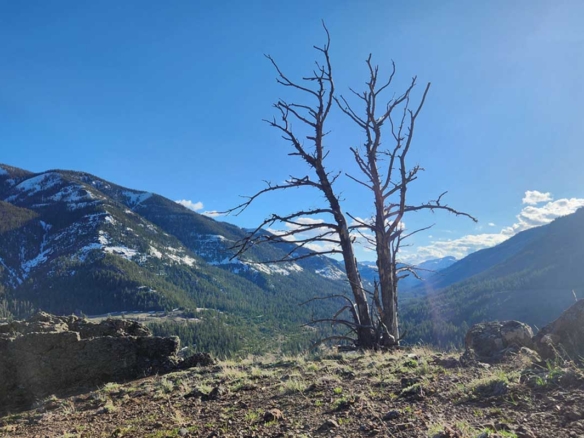
Morning sunlight reaches Cedar Mountain differently as autumn approaches. The first warm afternoon after a long winter feels genuinely earned because you’ve experienced the months that give it meaning. Fresh snow reflects moonlight with a brilliance many people have never witnessed, while silence after a winter storm possesses a quality that’s almost impossible to describe until you’ve stood in the middle of it yourself.
Even the night sky feels transformed. In many cities darkness never truly arrives because artificial light quietly hides half the universe above us. Here, stepping outside after sunset often feels less like looking upward and more like rediscovering something humanity somehow misplaced. The Milky Way isn’t a special event. It’s simply there, waiting overhead. Experiences like these don’t alter your life overnight, but they gradually reshape the way you pay attention to it.
Community Is Part of the Lifestyle
That growing awareness extends naturally into community. One of the most persistent myths surrounding small towns is that everyone knows everyone else’s business. Reality is considerably more balanced. Cody values privacy, but it also values connection, and those ideas complement rather than contradict one another. Neighbors aren’t interested in intruding upon your life. They are interested in making sure you’re doing all right.
If heavy snow buries the end of your driveway, don’t be surprised if someone arrives with a snowblower before you’ve finished breakfast. If you’re searching for a dependable mechanic, veterinarian, or contractor, recommendations are more likely to come from conversations than online reviews. When someone asks how you’re settling in, they usually intend to listen to the answer rather than simply filling silence.
Those small differences gradually redefine everyday interactions because trust develops naturally in places where people expect to see one another again tomorrow. Large cities often provide anonymity. Smaller communities provide continuity. Neither approach is inherently better, but they create very different kinds of lives. That’s one of the reasons so many families researching **moving to Cody** discover that community is every bit as important as the home itself. When you’re ready, exploring the latest homes for sale in Cody becomes less about finding a house and more about choosing the life you want to build there.
When Cody Starts Feeling Like Home
Eventually, almost everyone who makes the move experiences the same transition, although very few recognize it while it’s happening. In the beginning, every comparison points backward. You compare grocery stores, schools, restaurants, healthcare, shopping, internet speeds, weather, and airports because comparison feels like the safest way to decide whether you’ve made the right decision. Those are sensible questions. Moving is one of the largest decisions most people will ever make, and practical concerns deserve practical answers.
What surprises many newcomers is not that those questions disappear, but that they slowly stop being the most interesting ones. Conversations gradually shift away from what Cody doesn’t have and toward everything it quietly provides. People begin talking about neighbors who know their names, evenings that aren’t spent sitting in traffic, children who somehow spend more time outdoors than anyone imagined possible, weekends that leave them genuinely rested, and routines that feel intentional rather than rushed.
Somewhere along the way the checklist fades into the background.
Life takes its place. That’s usually the moment Cody stops feeling like somewhere you moved to and starts feeling like somewhere you belong. Perhaps that’s why the people who seem happiest here rarely explain the town through statistics. They don’t quote population figures or annual visitor counts. They don’t judge the community by the number of national retailers that have arrived or the latest restaurant to open downtown. Instead, they tell stories.
Someone remembers waking after a snowstorm to discover a neighbor had already cleared the end of the driveway without being asked. Another recalls the first time a cashier greeted them by name instead of by transaction. Parents remember watching their children become noticeably more adventurous simply because they had the freedom to explore. Remote professionals remember the afternoon they closed a laptop and realized the best part of the day was only just beginning. Retirees often remember the moment they stopped checking traffic reports because they simply no longer needed them.
None of those memories would ever appear in a relocation brochure, yet they become the stories people continue telling years later because they describe something far more valuable than scenery. They describe ordinary life becoming quietly extraordinary through repetition rather than spectacle. There comes a day—although no one could ever tell you exactly when it arrives—when you stop describing yourself as someone who recently moved to Cody. There is no ceremony to mark the occasion and no milestone to celebrate. One week you’re asking someone where to buy the best firewood before winter arrives. A little while later you’re answering that same question for somebody who’s just unpacked their own moving truck.
Without realizing it, you’ve crossed an invisible line. You haven’t simply changed your address. You’ve become part of the community itself. That transition is remarkably difficult to explain because communities aren’t created by architecture, population statistics, or property values. They are built through familiarity, routine, and trust. They grow from recognizing faces at the grocery store, waving to people you genuinely know, and understanding that belonging cannot be purchased on closing day.
Like every worthwhile relationship, it develops gradually until one day it simply feels natural. That may also explain why so many relocation guides leave readers strangely unsatisfied. Most devote page after page to housing inventories, mortgage rates, school districts, and market conditions while saying remarkably little about the life waiting beyond the front door. Those details matter, of course. A home is one of the largest financial investments most people will ever make and value helps buyers make informed decisions.
Yet if those become the only questions we ask, we risk overlooking the ones that ultimately shape everyday happiness. What will your mornings feel like? Will your children build memories they’ll still be talking about decades from now? Will you know your neighbors? Will your weekends restore your energy instead of consuming what little remains? Will the life you’re creating support the future you’ve imagined, or simply recreate the routine you’re hoping to leave behind?
Property listings can answer almost everything about a house. They cannot answer any of those questions. Yet those are often the questions that matter most once the moving boxes have been unpacked. At The REV Journal, we’ve always believed real estate deserves to be viewed through a much wider lens. Homes matter. Community matters. Local knowledge matters. Property has never been the entire story because a house is simply where the story begins.
The chapters that truly shape our lives unfold after moving day—in morning routines that become second nature, in favorite coffee shops discovered by accident, in friendships that develop unexpectedly, in the familiar hardware store employee who somehow always knows exactly what you’re trying to repair, and in the comforting realization that a place which once felt unfamiliar has quietly become part of your identity.
That is the moment an address becomes home. It’s why buying property should never be viewed as a purely financial decision. If you’re beginning your search among Homes for Sale in Cody, remember that choosing the right community is every bit as important as choosing the right floor plan. Investment value will always deserve consideration, but the life unfolding beyond the front door deserves at least as much attention.
None of this suggests Cody is perfect. No community is, nor should anyone pretend otherwise. Winters demand preparation. Weather occasionally changes your plans without asking permission. Shopping choices aren’t limitless, and travel often requires more planning than it might in a major metropolitan area. Living in northwestern Wyoming asks something of the people who choose it. It asks for patience, flexibility, and a willingness to work with the changing seasons rather than against them.
Yet every place asks for a different exchange. Large cities often ask you to trade time for opportunity. Mountain communities frequently ask you to exchange convenience for perspective. Neither bargain is universally right because every life is different. The important question has never been which community somebody else would choose. The better question is which environment allows you to become the person you hope to become. In the end, relocation has never been about escaping somewhere. It has always been about finding somewhere that better fits the life you’re trying to build.
If you’re seriously considering Cody, resist the temptation to experience it only as a visitor. Come more than once. See it in different seasons. Spend a weekday morning downtown when nothing particularly interesting is happening. Have breakfast where local residents begin their day before work. Walk through neighborhoods instead of simply driving between attractions. Sit in a coffee shop for an hour without checking your watch. Listen to conversations. Watch the pace. Notice how people greet one another.
Ask questions that go well beyond square footage and listing prices.
What is February really like? How does the community come together during winter? Where do families spend an ordinary Saturday? What changes after Yellowstone’s busiest months have passed?
Those answers reveal far more about Cody than any travel brochure or real estate website ever could because, eventually, even the most spectacular scenery becomes familiar. Mountains become part of the background. Sunsets stop demanding photographs and simply become part of another evening.
What remains is everyday life. Everyday life is what ultimately determines whether somewhere becomes home. That’s exactly why we encourage prospective buyers to explore our Moving to Cody resources before scheduling a showing—they provide the context no property listing can capture.
Ready to Explore Cody?
Browse our Homes for Sale in Cody, or simply contact the REV Real Estate team. Whether you’re planning a move next month or simply beginning your research, we’re always happy to answer questions about living in Northwest Wyoming and help you find not just the right house, but the right place to build your next chapter.
That has always been the real story of Cody. And it’s the story worth telling.